5 B2B Website Design Trends to Watch in 2026

As B2B companies compete for attention in increasingly crowded digital marketplaces, website design is more critical than ever.
A modern B2B website must not only look great but also guide users efficiently, communicate trust, and drive conversions. At Clear Digital, we’ve identified five B2B website design trends expected to dominate in 2026. These trends balance visual innovation, usability, and credibility to deliver engaging experiences for business audiences.
Minimalism with Subtle Animations and Micro-Interactions
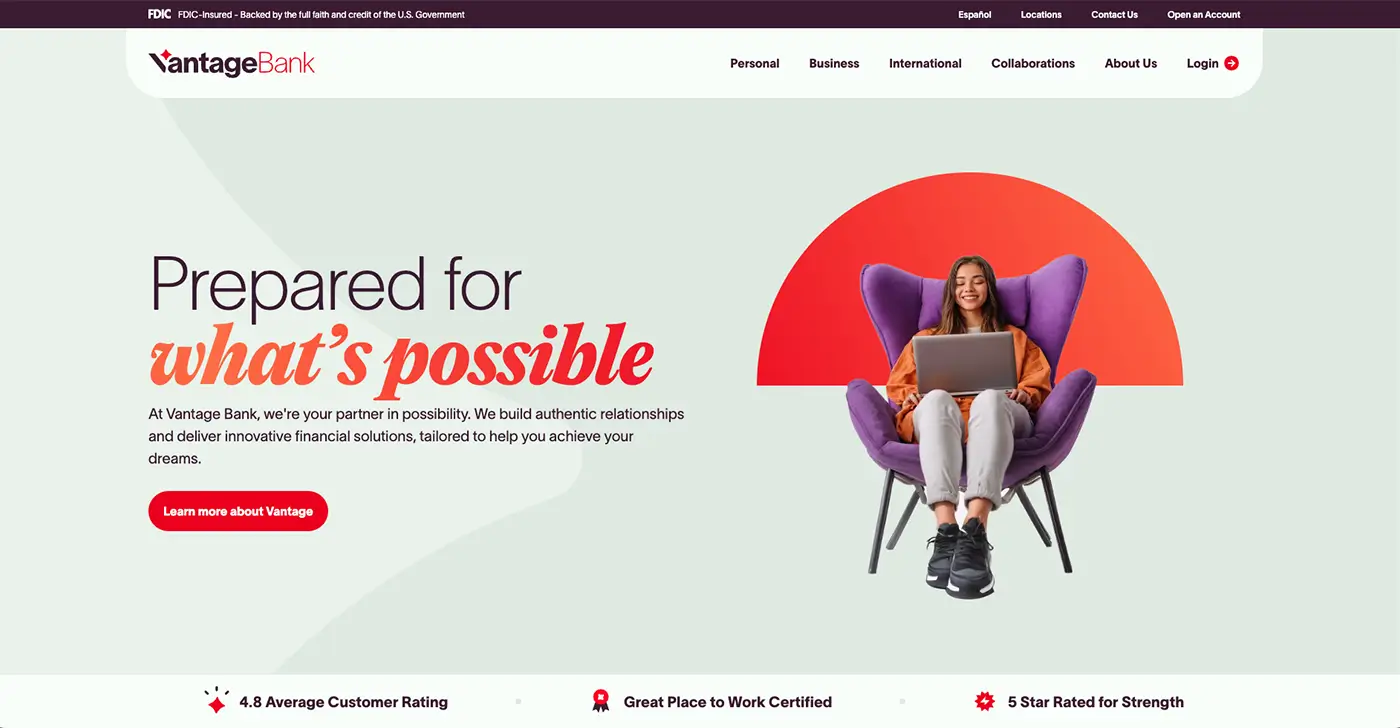
Minimalist design continues to be a cornerstone of effective B2B websites. In 2026, minimalism is evolving beyond clean layouts to include subtle animations and micro-interactions that enhance usability and engagement. Micro-interactions, such as hover effects, animated buttons, and scrolling transitions, provide visual cues that guide users without overwhelming them.
Websites like Vantage Bank showcase how clean, purpose-driven layouts can feel dynamic with small motion effects. Apollo uses micro-interactions to make complex data intuitive and accessible, improving user engagement while keeping the interface calm. ServiceNow balances minimalism with functional animations, showing that subtle motion can enhance clarity and help guide users to key content. For B2B websites, combining simplicity with subtle motion can increase engagement and reduce bounce rates, which is critical for lead generation.
Scroll-Triggered 3D Experiences
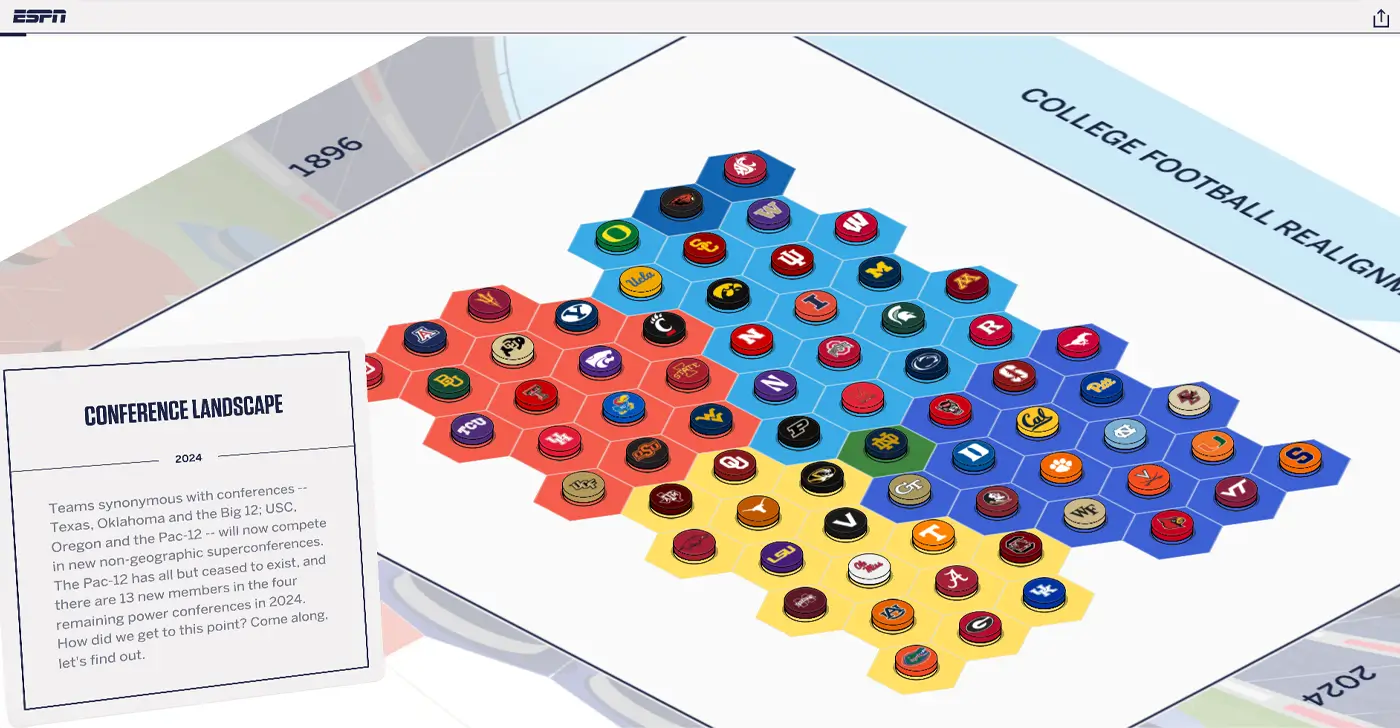
Scroll-triggered 3D animations are gaining traction in B2B web design, creating immersive, interactive storytelling experiences. These designs respond to user navigation, turning scrolling into a dynamic journey that highlights product features, services, or company narratives.
The Tiny Pod uses 3D scroll animations to make product features feel tangible and interactive, keeping visitors engaged. Similarly, ESPN demonstrates how layered animations can enhance storytelling. For a more experimental approach, Stars by Chrome Experiments shows the creative potential of 3D web design. B2B brands adopting scroll-triggered 3D experiences can differentiate themselves, increase time on page, and create memorable digital interactions that drive conversions.
Glassmorphism and Translucent Visual Layers
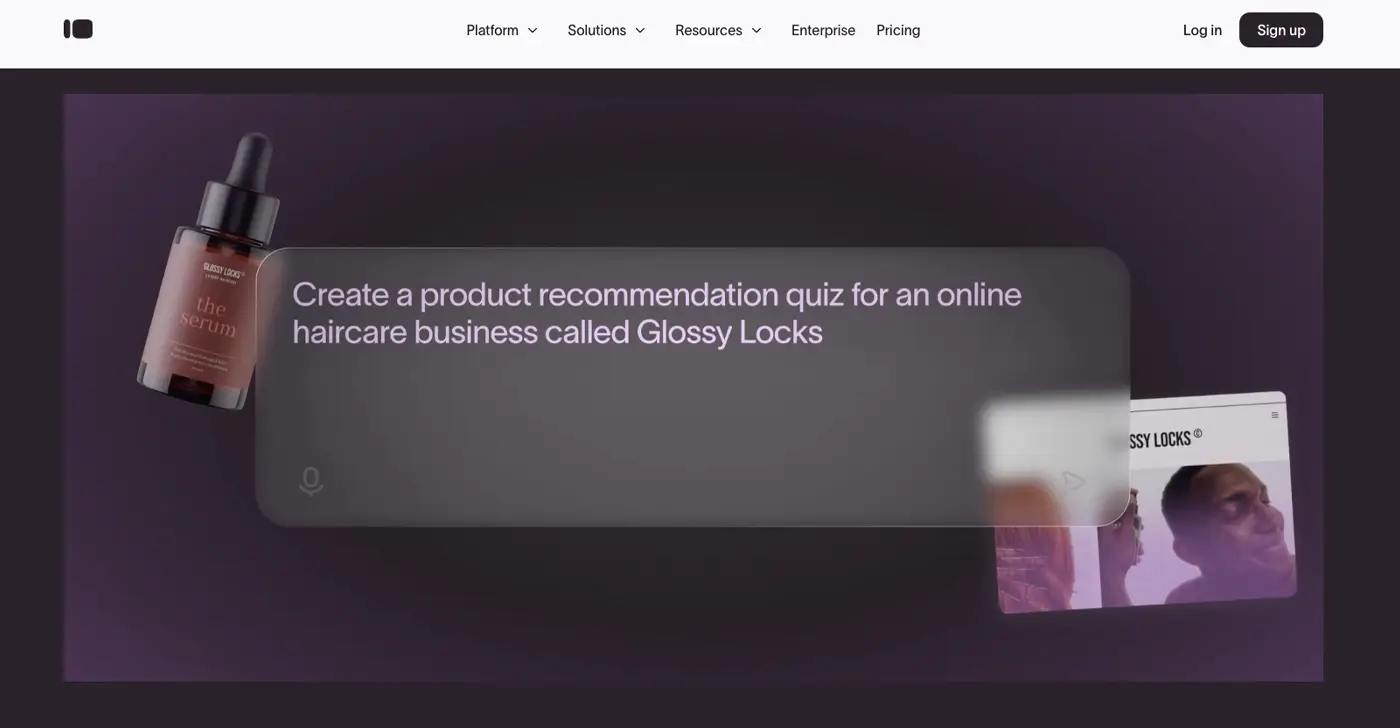
Glassmorphism, a design style featuring translucent, layered UI elements, is making a strong comeback in 2026. This trend adds depth, dimensionality, and a modern aesthetic to B2B websites while keeping interfaces approachable and readable.
Typeform demonstrates layered transparency to create visual hierarchy and focus attention on forms and CTAs. AdviceGuideFP uses translucent cards and overlapping panels to make complex financial information digestible. Glassmorphism not only elevates the visual appeal of B2B websites, it also helps organize content logically, improving usability and encouraging users to explore services.
Strong Visual Hierarchy and Scannable Content
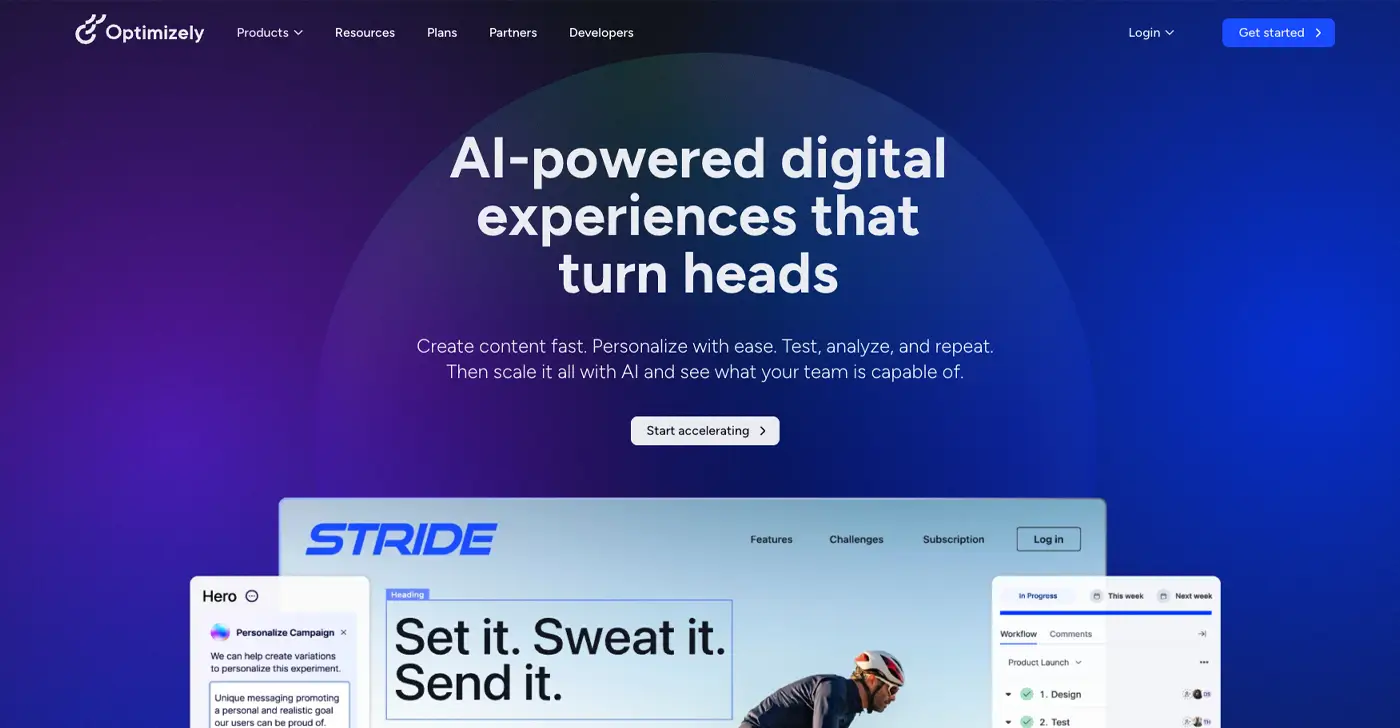
B2B audiences often scan before they read, making visual hierarchy and scannable content essential. Clear headings, structured sections, and concise copy help users quickly understand offerings, increasing the likelihood of engagement and conversions.
Optimizely excels at organizing content with distinct headings, modular layouts, and well-placed calls-to-action. Slack uses strong typographic hierarchy and content blocks to guide attention, while Aviatrix structures technical content in digestible formats. Implementing clear hierarchy and scannable content in 2026 will help B2B brands communicate value quickly, reduce cognitive load, and improve user satisfaction, which are critical factors for lead generation and client acquisition.
Trust-Focused Design Cues
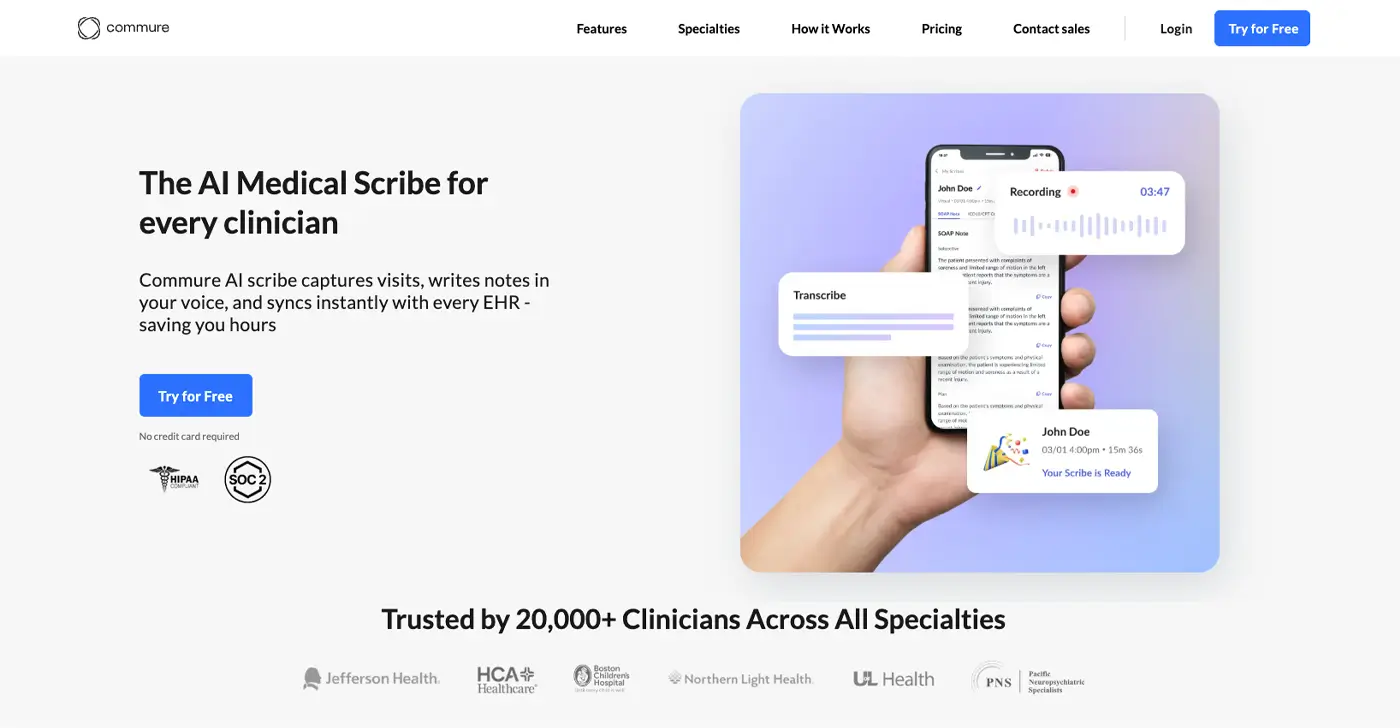
Trust is a core requirement for B2B websites, especially in industries handling sensitive data or critical services. In 2026, trust-focused design cues, such as security badges, client logos, testimonials, and transparent privacy messaging, will be a key differentiator for companies looking to reassure prospects.
Commure uses clear security messaging and structured layouts to signal reliability, while Vantage Bank combines clean interfaces with trust elements like client-focused messaging. Surescripts demonstrates how showcasing certifications and service reliability builds confidence. Incorporating trust-focused cues in B2B website design not only reduces friction, it also strengthens brand credibility, which is critical for converting prospects into clients.
Actionable Takeaways for B2B Websites in 2026
Prioritize usability and engagement, combining minimalism with micro-interactions to guide visitors.
Embrace immersive storytelling, using scroll-triggered 3D elements to make content memorable.
Add depth with modern UI, using glassmorphism and translucent layers to highlight key content while keeping interfaces clean.
Optimize content for scanning, ensuring clear hierarchy and scannable layouts to improve comprehension and lead conversion.
Build trust visually and functionally, incorporating security cues and client-focused messaging to enhance credibility.
By incorporating these five trends, B2B brands can create websites that are visually compelling, highly functional, and conversion-focused.
Get our latest insights in your inbox

Only 4 in 10 Fortune 500 Tech Brands Nail Their Homepage. Key Insights From Our 2025 Report
By Steve Ohanians on November 17, 2025
Read more
Future-Proofing B2B Websites for 2026: The Dev Team Talks
By Connor Bourke on November 10, 2025
Read more
What That “Cheap” Website Is Really Costing You
By Steve Ohanians on September 1, 2025
Read more